
SonicFinder 1000
Acoustic PVC Pipe Locator
The SonicFinder 1000 acoustic pipe locator system has a portable acoustic transmitter (base unit with dual battery packs) and a handheld receiver with a large LCD display. This innovative device is designed to help professionals quickly find buried plastic pipes without any tracer wires or intrusive access.
Overview
The SonicFinder 1000™ is a handheld acoustic PVC/plastic pipe locator that uses a patented sound-based technology to find buried non-metallic pipes with exceptional accuracy. Unlike traditional pipe locators that rely on metal tracer wires or electromagnetic signals, the SonicFinder 1000 can detect PVC, PE, HDPE, and other plastic pipes directly, no tracer wire needed, and no need to access the interior of the pipe. This makes it a truly non-invasive solution for locating underground utilities. Utility contractors, municipalities, and locating professionals trust the SonicFinder 1000 to quickly trace water lines, gas lines, sewer laterals, and even underground conduit or ducting, all without guesswork or digging up the line first.
How It Works: The SonicFinder 1000 employs a two-part acoustic system, a compact acoustic actuator (transmitter) and a sensitive acoustic sensor (receiver). To operate, you simply attach the sensor to an accessible endpoint of the pipe (such as a hydrant, meter, or exposed pipe fitting) and then sweep the ground above the pipeline route with the transmitter wand. The transmitter introduces a gentle acoustic vibration into the soil, and when the sensor “hears” the signal resonating in the target pipe, the SonicFinder alerts you instantly. This method pinpoints the pipe’s location and path externally, without any need to dig or enter the pipe system.
Request a Quote
Key Features and Benefits
Advanced Acoustic Sensing
Utilizes patented low-frequency acoustic signals to locate plastic pipes with pinpoint accuracy. The SonicFinder 1000’s innovative sensing technology can distinguish pipe resonance from background noise, enabling reliable detection even in busy or urban environments. This acoustic method is highly effective for PVC and poly pipes that would be invisible to conventional metal detectors.
All Pipe Material Compatibility
Capable of finding virtually any non-metallic pipe, including PVC, CPVC, PE, HDPE, poly tubing, and more. Whether it’s a water main, gas service line, sewer lateral, or telecom conduit, the SonicFinder 1000 can locate it if it’s in the ground. The device is engineered to work across various pipe diameters and materials, giving you one versatile locator for all your plastic pipe needs. It also performs in a broad range of soils, from soft sand to dense clay, so you get consistent results on different job sites.
No Tracer Wire Required (Non-Invasive)
No metal tracer wires, sondes, or access inside the pipe are needed to use the SonicFinder 1000. This is a huge advantage. Traditionally, locating plastic pipes meant installing a tracer wire during pipe placement or using intrusive techniques like feeding a transmitter into the line. The SonicFinder eliminates those extra steps. You can start locating immediately on existing pipes, minimizing site disruption and saving time. By avoiding intrusive methods, you also reduce the risk of damage to the pipe or customer property during the locating process. Simply connect the external acoustic sensor and begin scanning. The SonicFinder will tell you where the pipe is, no digging or tapping required.
Ergonomic Handheld Design
Built with an emphasis on comfort and durability, the SonicFinder 1000 is lightweight (approx. 13 lbs) and easy to carry in the field. The unit’s ergonomic handle and balanced design help reduce operator fatigue, allowing for all-day use. Its construction features rugged, weather-resistant materials to withstand rough job site conditions. The system comes with a protective hard carrying case for safe transport and storage. From tight urban spaces to off-road utility easements, the SonicFinder’s portable form factor lets you maneuver and operate it wherever the pipe is located.
Long Battery Life
Powered by dual 18V rechargeable Li-ion batteries, the SonicFinder 1000 delivers full-day operating time on a single charge. You can locate for hours without interruption, which is critical for large projects or multiple locate jobs in a day. The battery packs are quickly swappable in the field. When one battery runs low, just insert a fresh battery and keep working with minimal downtime. The use of standard high-capacity batteries means replacements are easy to find, and a convenient battery level indicator on the device lets you know when it’s time to switch.
Large Backlit Display & Real-Time Feedback
The SonicFinder 1000 features a big, high-visibility LCD screen and a bright LED bar graph that provide immediate feedback as you search for pipes. The display shows signal strength, mode, and other relevant information in a clear digital format, while the LED light bar gives you intuitive visual cues (for example, lighting up more as you get closer to the pipe). This dual feedback system makes it simple to interpret results at a glance. The screen is backlit for easy reading in low-light conditions, and it remains clearly visible even under direct sunlight, so you won’t struggle to see the data during outdoor work. Overall, the interface is designed to be user-friendly and informative, guiding even first-time users to success. (Audio output is also available for those who prefer audible signals during locating.)
Screen Features

Acoustic Actuator
Emits sound waves for the Acoustic Sensor to detect.
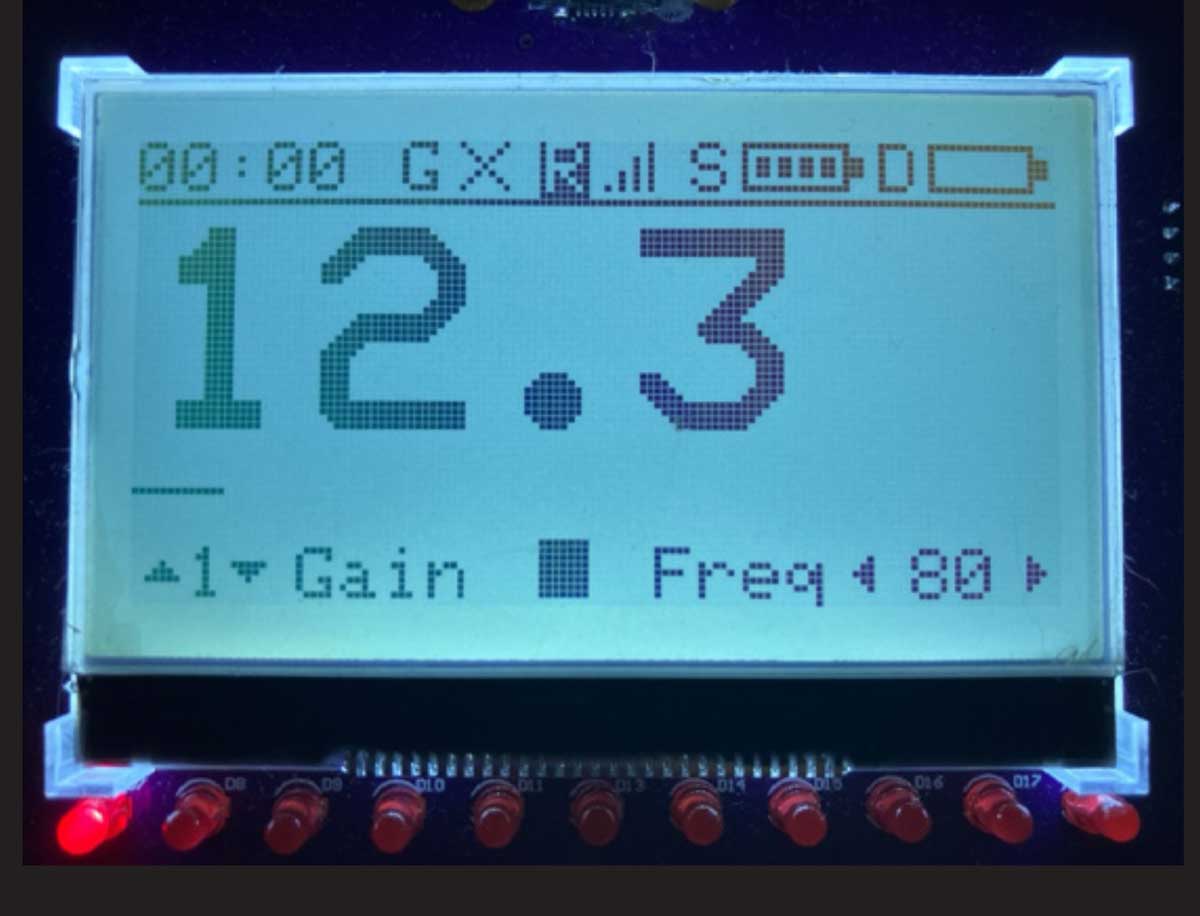
Averaging Mode Screen
Displays the readings from the Acoustic Sensor, averaged. Toggle the number of samples to be averaged from the menu.
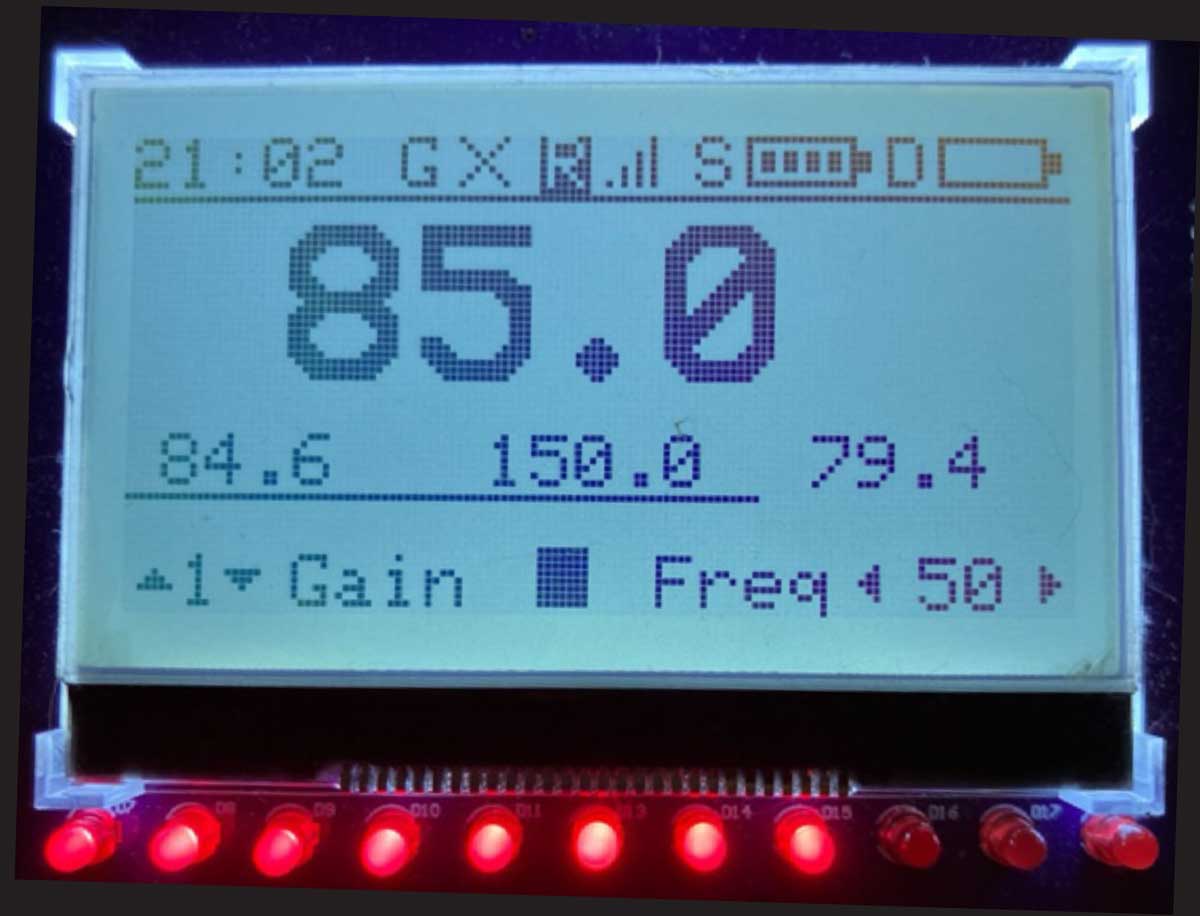
Peal Hold Mode Screen
Displays the maximum reading from the Acoustic Sensor, along with the last three maximum readings recorded.
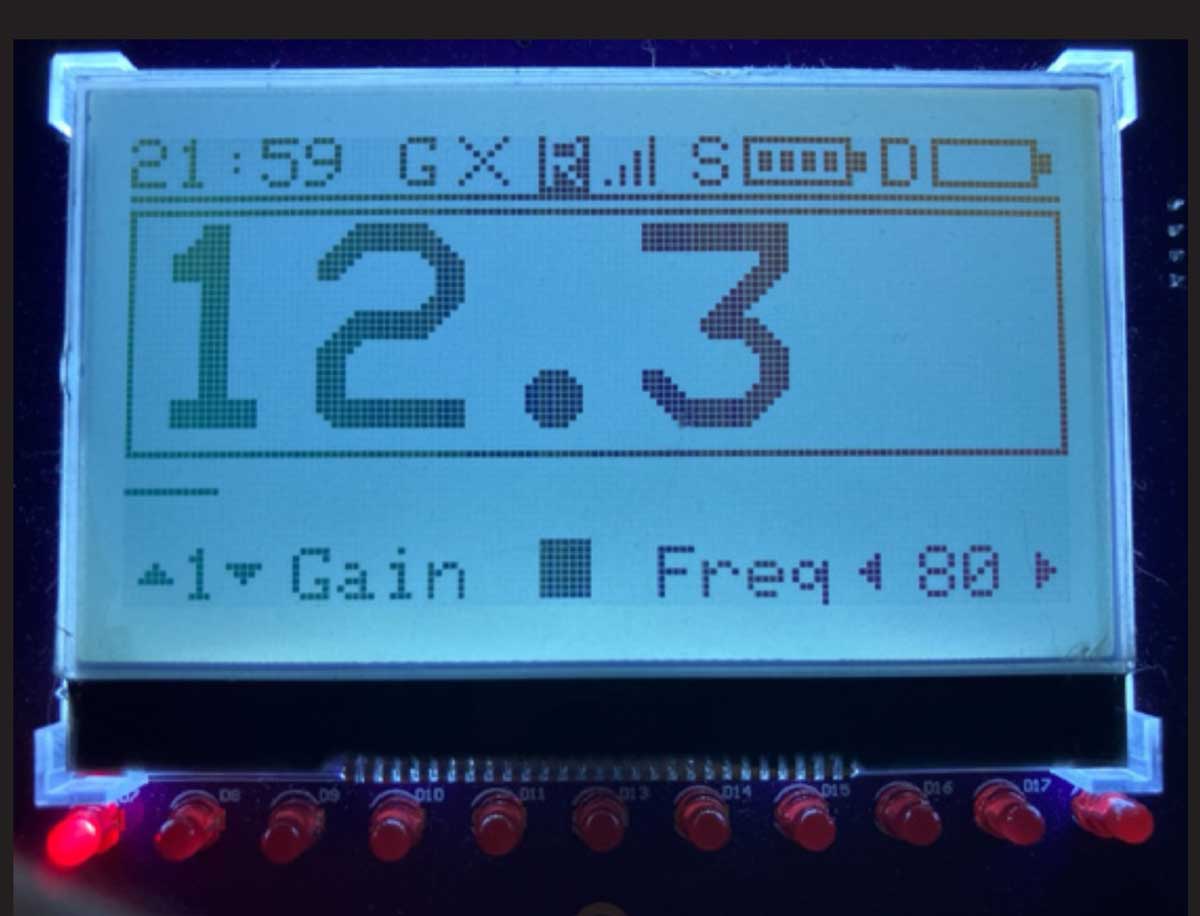
Zoomed-In Mode Screen
Displays the readings from the Acoustic Sensor, adjusted against a selected reference reading.
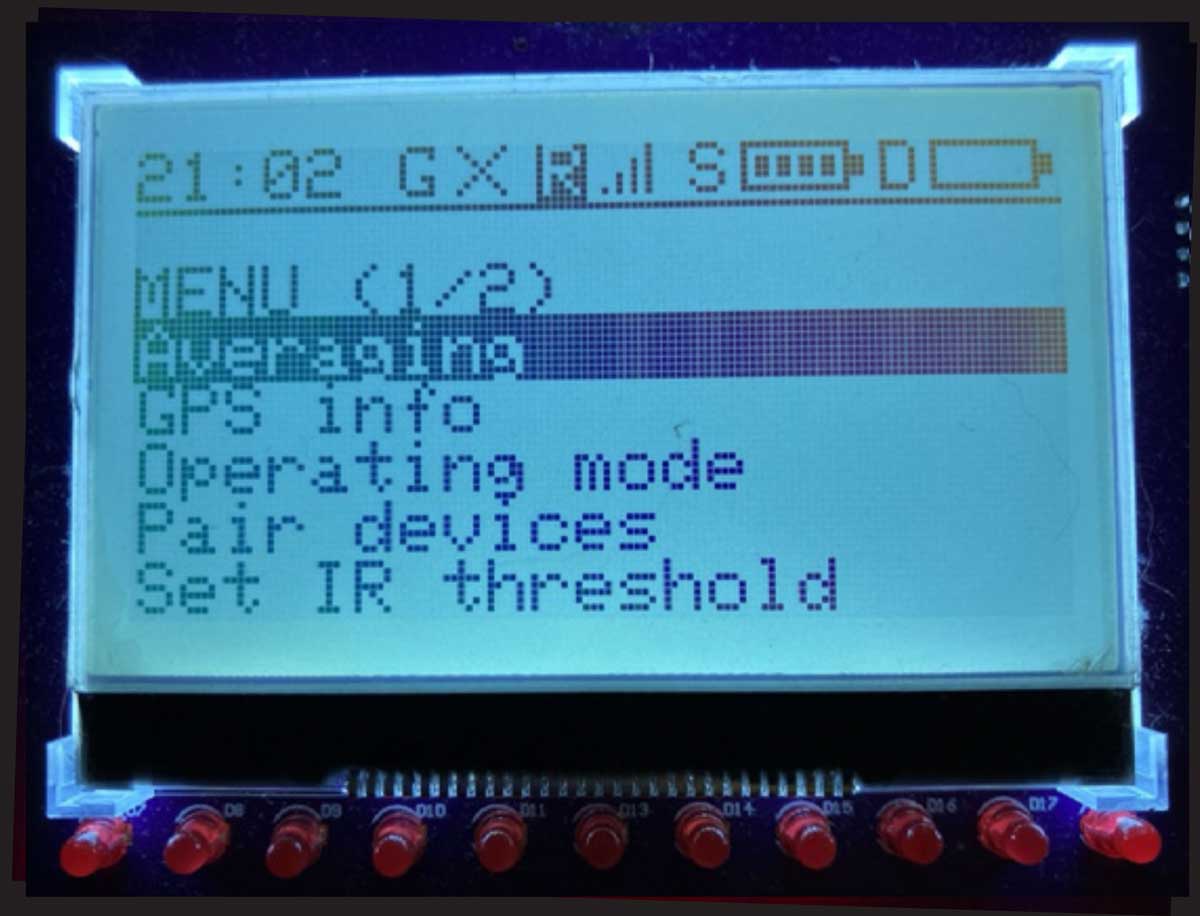
Menu Screen
Allows the user to switch between operating modes, pair devices, and configure operational settings.
Acoustic Pipe Locating: How It Works
Acoustic pipe locating identifies underground utilities by measuring how sound energy travels along the pipe and through surrounding soil.
Step-by-step process
- An acoustic actuator attaches to a pipe access point, such as a hydrant or valve.
- The actuator generates controlled vibration in the pipe wall.
- Sound energy travels along the pipeline underground.
- A surface sensor detects vibration patterns above the pipe.
- The technician maps the pipeline path by following the strongest signal.
Solinas explains that the SonicFinder system creates an acoustic condition in the pipe while a listening device detects the resulting vibration patterns above the buried asset, allowing technicians to mark the pipe path as they scan across the ground.
Because the system relies on vibration rather than electrical conductivity, acoustic locating can detect pipes made from:
- PVC
- HDPE
- Polypropylene
- Concrete
- Asbestos cement
This capability makes acoustic technology especially valuable in modern infrastructure systems dominated by plastic materials.
Why Electromagnetic Pipe Locators Fail on Plastic Utilities
Traditional pipe locators operate using electromagnetic (EM) detection. These systems require electrical conductivity to transmit a signal along a buried utility.
How electromagnetic locating works
- A transmitter applies an electrical signal to a metallic pipe or tracer wire.
- The signal travels along the conductive utility line.
- A handheld receiver detects the electromagnetic field above the pipe.
- The operator follows the signal path to trace the buried utility.
This method works extremely well for:
- Steel pipelines
- Copper communication cables
- Energized electrical lines
However, plastic pipes cannot carry electrical current.
Materials such as PVC, HDPE, and polypropylene are electrical insulators, meaning they cannot transmit electromagnetic locating signals.
Without a conductive path, traditional pipe locators cannot detect the utility.
Contact Us
Best Applications for Acoustic Pipe Locating
Acoustic locating systems are commonly used across multiple sectors of the infrastructure industry.
Municipal water utilities
Cities frequently need to locate PVC or HDPE water mains installed decades ago without tracer wire.
Gas distribution systems
Gas utilities rely heavily on plastic pipelines that require accurate location to prevent excavation damage.
Pipeline contractors
Contractors performing directional drilling, pipeline repairs, or construction must identify pipe locations before excavation.
Service line locating
Locating buried service connections between utility mains and buildings is a common challenge where acoustic systems are particularly effective.
Equipment Spotlight: Solinas SonicFinder 1000
One of the most advanced acoustic pipe locating systems available today is the Solinas SonicFinder 1000, designed specifically for detecting non-metallic pipelines.
The system combines acoustic transmission technology with highly sensitive ground sensors to locate buried plastic utilities.
Key system components
Acoustic actuator
Attaches to the pipe and introduces controlled vibration into the pipeline.
Geophone sensor
Detects sound energy traveling through soil above the buried pipe.
Radio communication system
Allows wireless coordination between the actuator and receiver unit.
Adjustable frequency and gain controls
Enables technicians to optimize performance in different soil conditions and pipe materials.
Together, these components allow utility professionals to locate plastic pipes even when tracer wire is missing or damaged.